






Pacaya Samiria 5 Days / 4 Nights
Slogan Here
Resumen
Introduction
Five days inside Pacaya Samiria National Reserve allow you to move beyond the main river routes and spend several nights surrounded by forest and waterways.
The journey begins in Iquitos with an overland transfer to Nauta. From there, the road ends and the Marañón River becomes the main route. Approximately three hours of navigation lead toward the reserve, with opportunities to look for pink and gray river dolphins along the way.
The following days move through the Yanayacu and Pucate sectors, combining wildlife searches, botanical walks, traditional fishing methods and evenings shaped by Amazon stories and forest sounds.
Days 3 and 4 move farther from the base area. You stay at Chambira Camp and later Iricachua Camp, travel through smaller waterways, look for monkeys and caimans, learn about forest plants and walk toward a giant Lupuna tree.
With WildForest Peru, this route is intended for travelers prepared for several days of river travel, humid forest conditions and two nights of basic tent camping inside Pacaya Samiria.
Detalles del Tour
Trip Details
- Tour: Pacaya Samiria
- Duration: 5 days / 4 nights
- Starting point: Iquitos
- Finishing point: Iquitos or your hotel in the city
- Pickup: Airport or hotel
- Main route: Iquitos – Nauta – Marañón River – Pacaya Samiria – Buenos Aires Base Camp – Yanayacu – Pucate – Chambira Camp – Iricachua Camp – Buenos Aires – Nauta – Iquitos
- Main transportation: Ground vehicle and motorized boat
- Additional transportation: Canoe and peque-peque boat
- Day 1 river navigation: Approximately 3 hours
- Accommodation: 4 nights inside Pacaya Samiria
- First 2 nights: Cabin/base accommodation according to the selected arrangement
- Night 3: Chambira Camp
- Night 4: Iricachua Camp
- Physical level: Moderate
- Walking: Short to moderate forest walks
- Terrain: Forest paths, roots, wet leaves, riverbanks and possible mud
- Climate: Hot and humid
- Meals included: 4 breakfasts, 5 lunches and 4 dinners
- Breakfast on Day 1: Not scheduled
- Dinner on Day 5: Not scheduled
- Guide: English- or Spanish-speaking guide
- Additional guiding on Day 4: Main guide plus local guide for the nighttime forest walk
- Rubber boots: Optional for rainy or muddy conditions
- Main focus: River wildlife, dolphins, birds, monkeys, forest plants, traditional fishing, caimans and camping
Detailed Itinerary
Iquitos – Nauta – Marañón River – Pacaya Samiria – Buenos Aires Base Camp
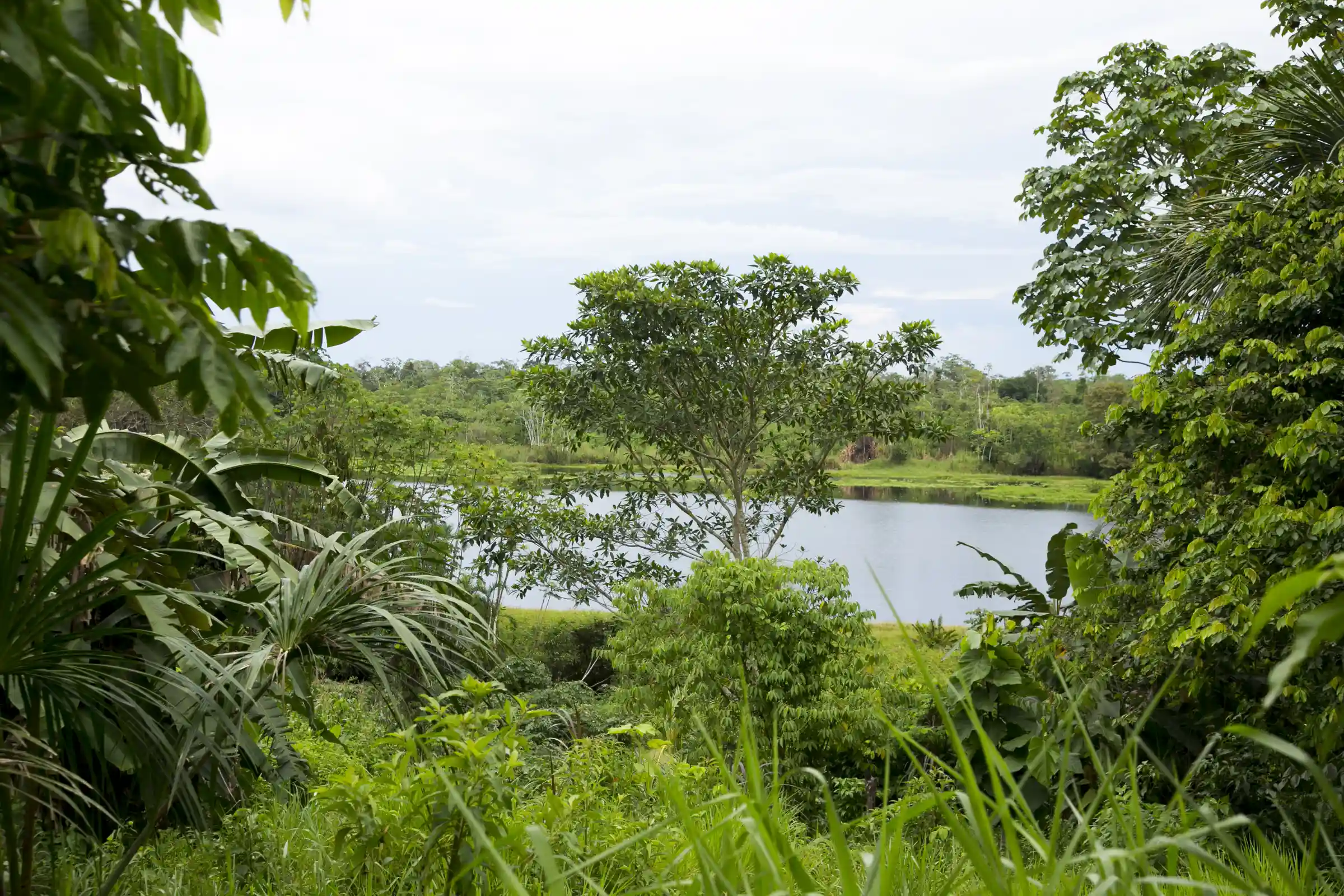
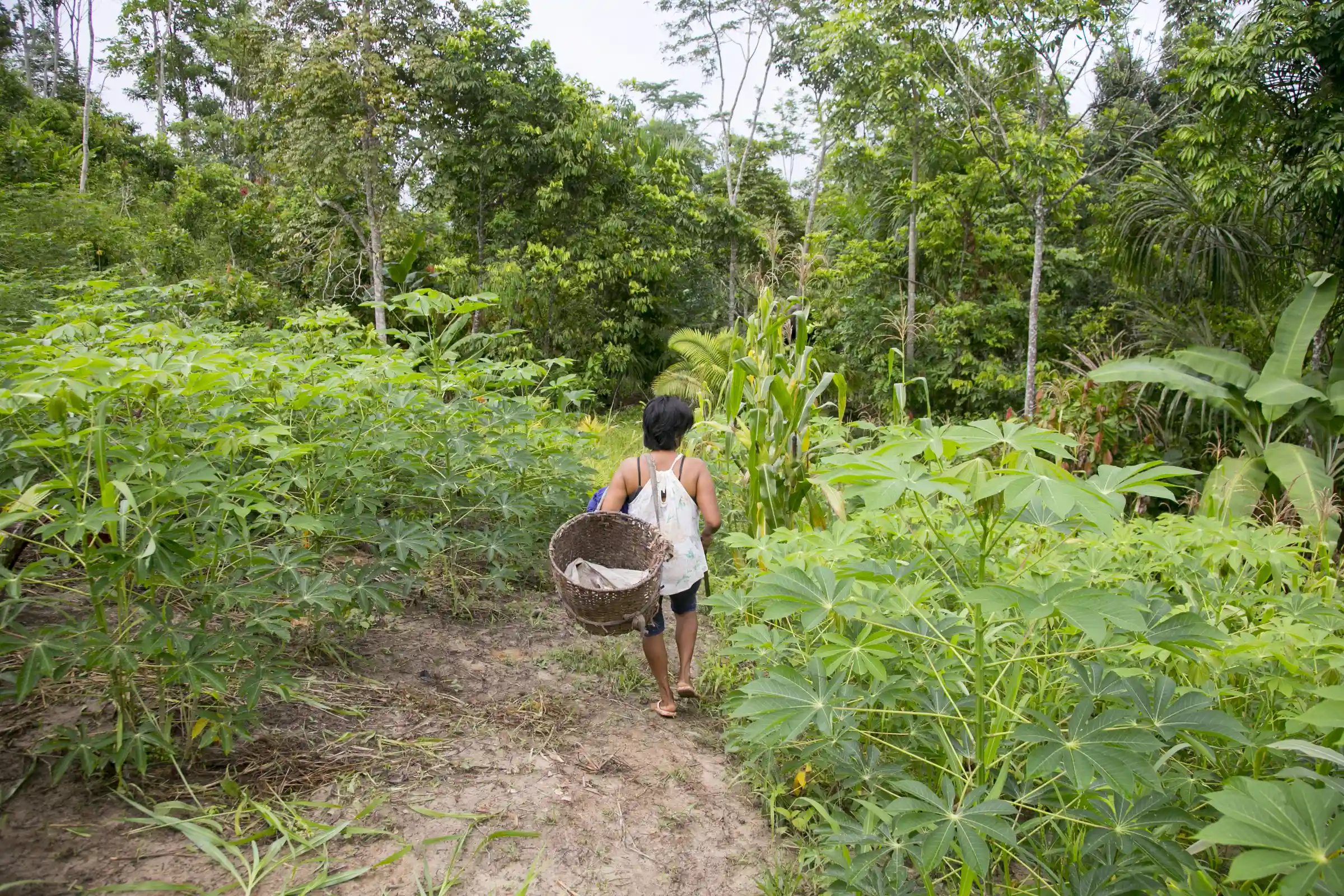

The program begins with pickup from your hotel in Iquitos or from the airport according to your arrival schedule.
Transfer Toward Nauta
We travel overland toward Nauta.
During the journey, the guide provides a short orientation about the route and the city before the river section begins.
After reaching Nauta, we continue toward the embarkation point.
Entrance to Pacaya Samiria
The route continues toward Pacaya Samiria National Reserve.
According to the source program, the reserve lies approximately 100 km south of Iquitos.
Entry is controlled through the corresponding protected-area procedures.
Travelers should keep their identification accessible and follow instructions from the guide and reserve personnel.
Marañón River Navigation
We board the river boat and begin traveling along the Marañón River.
The original program estimates approximately 3 hours of navigation.
During this section, the guide watches the river and surrounding vegetation for wildlife.
Possible sightings may include:
- Pink river dolphins
- Gray river dolphins
- River birds
- Monkeys
- Other forest animals
Animals move freely, so no sighting can be guaranteed.
PV1 Control Sector
During the journey, we stop at the corresponding PV1 control point.
The reserve entrance procedures are completed here under the applicable SERNANP system.
Passengers must follow instructions from the guide and reserve personnel.
Lunch on Board
Lunch is served during the river journey.
Travelers requiring vegetarian meals should notify WildForest Peru before departure.
Arrival at Buenos Aires Base Camp
We reach the Buenos Aires Base Camp sector.
The guide provides a short briefing covering:
- Camp boundaries
- Waste management
- Forest behavior
- River procedures
- Wildlife observation
- Nighttime movement
- Safe walking areas
- Respect for reserve regulations
Camp-Area Orientation
Before the evening activity, we take a short walk around the immediate camp surroundings.
This helps travelers become familiar with the layout before moving through the area after dark.
Dinner
Dinner is served at the base.
Guided Night Walk
After dark, the guide leads a walk through the nearby forest.
Possible sightings may include:
- Cicadas
- Spiders
- Praying mantises
- Frogs
- Large toads
- Snakes
- Nocturnal insects
- Other small animals
Travelers should stay close to the guide and avoid touching animals or plants unnecessarily.
Overnight Inside Pacaya Samiria
The first night is spent in the cabin or base accommodation arranged for the service.
Day highlight: Entering Pacaya Samiria by the Marañón River and spending the first evening walking through the forest after dark.
Technical Details
- Ground route: Iquitos to Nauta
- Main river: Marañón River
- Main navigation: Approximately 3 hours
- Transport: Ground vehicle and motorized boat
- Walking: Short camp-area and nighttime walks
- Difficulty: Easy to moderate
- Climate: Hot and humid
- Meals: Lunch and dinner
- Accommodation: Cabin/base accommodation inside the reserve
Yanayacu – Pucate – Wildlife Search – Botanical Walk – Amazon Stories

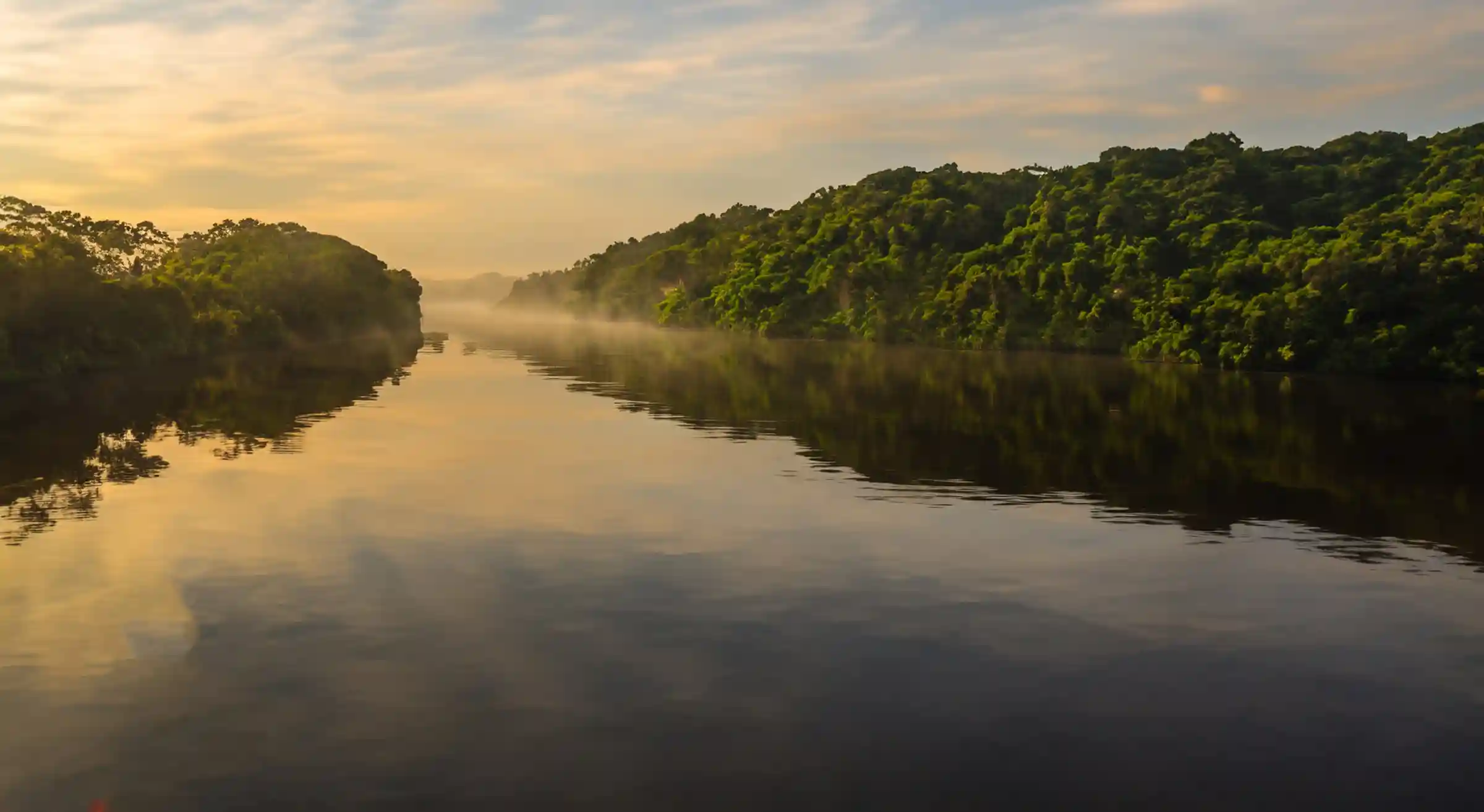
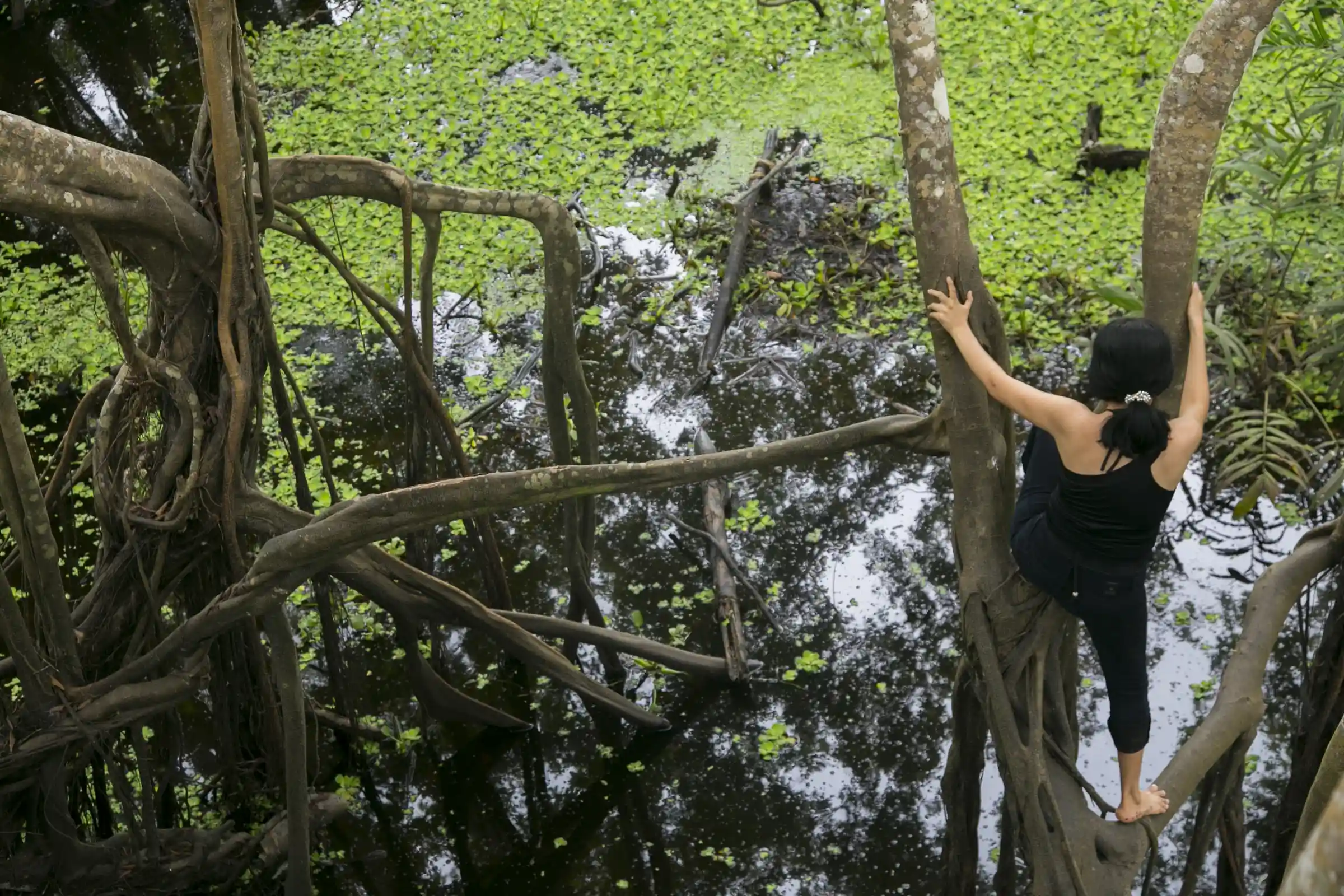
Day 2 begins during the cooler morning hours.
Sunrise and Birdwatching
During the first hours of daylight, we watch the riverbanks and nearby vegetation.
Birds are often active during this period.
The guide listens for calls and scans branches, open water and shoreline vegetation.
Possible sightings may include:
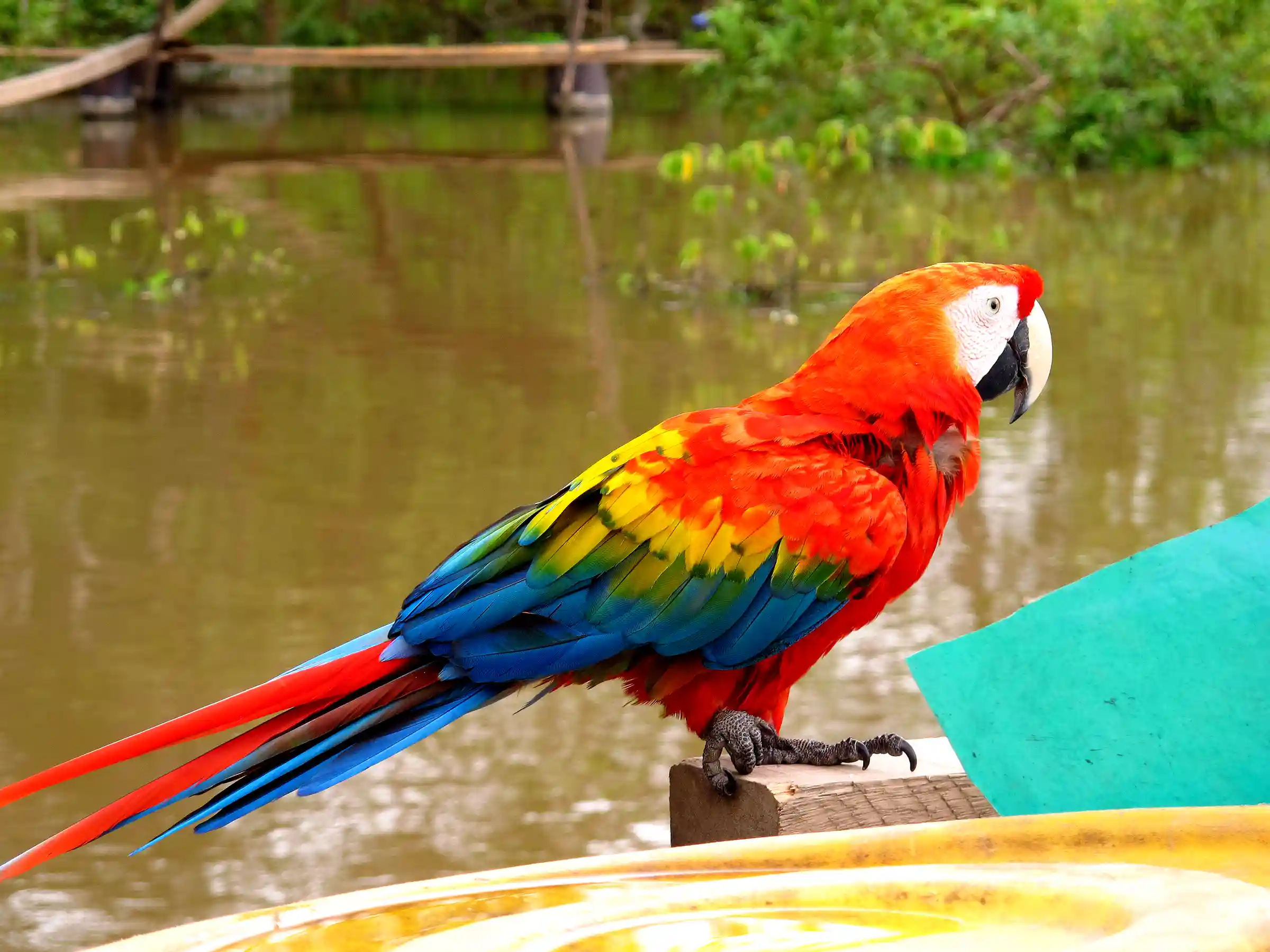
- Macaws
- Oropendolas
- Kingfishers
- Other river and forest birds
Weather determines how clearly the sunrise can be seen.
Breakfast at Camp
Breakfast is served at the camp.
Afterward, the group prepares for river and wildlife activities.
Pink and Gray River Dolphin Search
During navigation, the guide watches for:
- Pink river dolphins
- Gray river dolphins
Dolphin activity varies according to water conditions, feeding behavior and movement.
Sightings cannot be guaranteed.
Wildlife Search
The route continues through the reserve while the guide checks:
- Riverbanks
- Tree branches
- Forest canopy
- Open water
- Shoreline vegetation
for birds, monkeys and other animals.
Marañón River Swimming
The itinerary includes the possibility of swimming in the Marañón River.
The activity can only take place when the guide and boat crew consider the selected location suitable.
The source mentions the possibility of dolphins being nearby.
Travelers should never swim toward dolphins, attempt to touch them or interfere with their movement.
Lunch
Lunch is included during the day’s program.
Botanical Walk
Later, we begin a guided forest walk focused on trees and plants found in the Amazon.
Topics may include:
- Medicinal plants
- Large forest trees
- Traditional uses of leaves and bark
- Plants linked to regional beliefs
- Forest structure
- Local plant knowledge
Traditional plant uses are presented as local knowledge and should not replace professional medical advice.
Birdwatching Along the Route
During the walk and transfers, the guide continues watching for birds mentioned in the source itinerary, including:
- Macaws
- Oropendolas
- Kingfishers
- Other reserve birds
Dinner
Dinner is served at the base or camp.
Amazon Stories and Legends
After dinner, the program includes stories connected with Loreto’s oral tradition.
Figures mentioned in the itinerary include:
- Yacuruna
- Sachamama
- Chullachaqui
These stories are presented as regional folklore.
Overnight Inside the Reserve
The second night is spent in the scheduled cabin/base accommodation.
Day highlight: Spending the day watching river and forest wildlife before ending the evening with stories from Loreto’s oral tradition.
Technical Details
- Morning activity: Sunrise and birdwatching
- Main sectors: Yanayacu–Pucate area
- Transport: Motorized boat
- Walking: Botanical forest walk
- Difficulty: Easy to moderate
- Climate: Hot and humid
- Meals: Breakfast, lunch and dinner
- Evening: Amazon stories and legends
- Accommodation: Cabin/base accommodation inside the reserve
Chambira Camp – Yanayacu – Piranha Fishing – Pucate Night Navigation
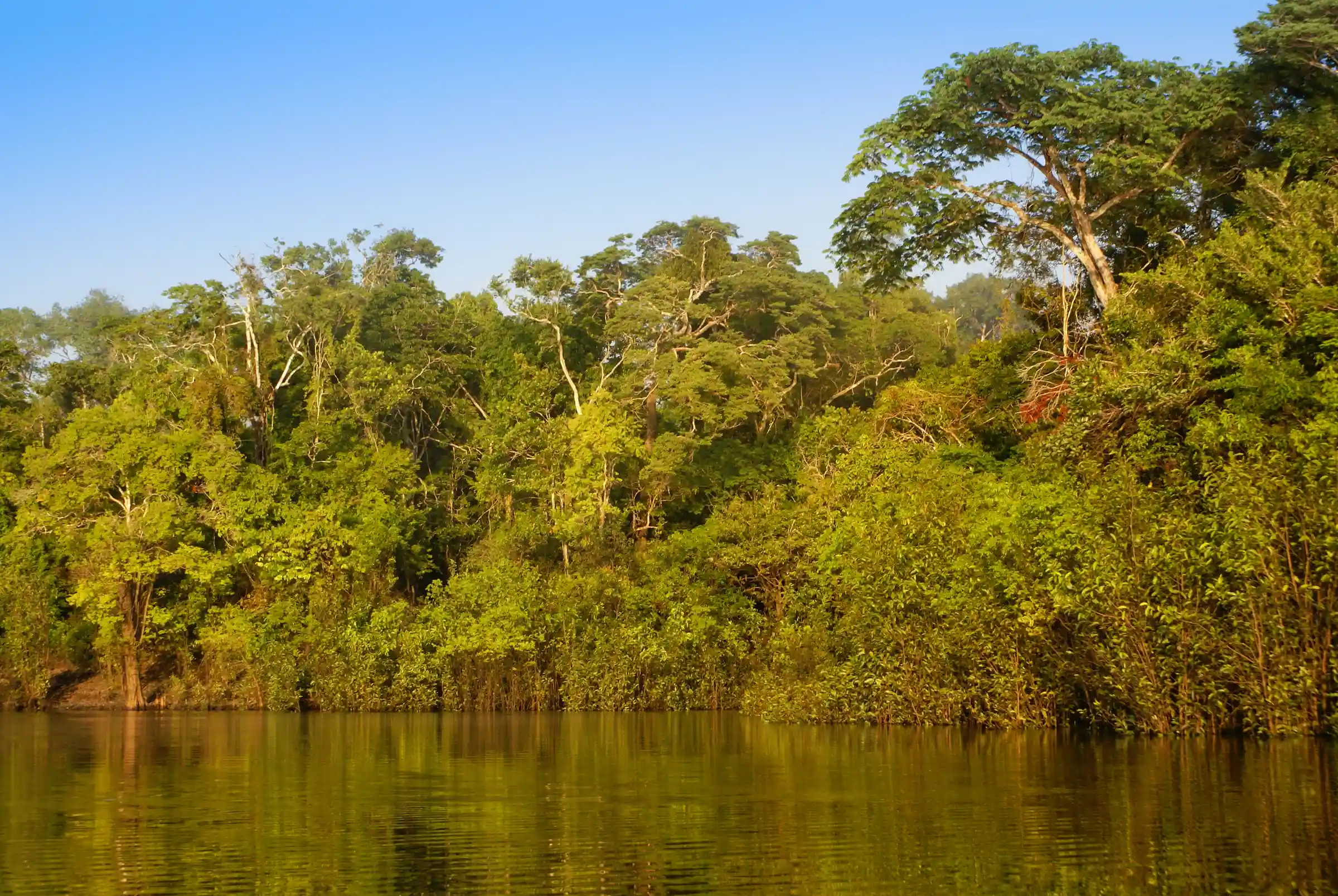

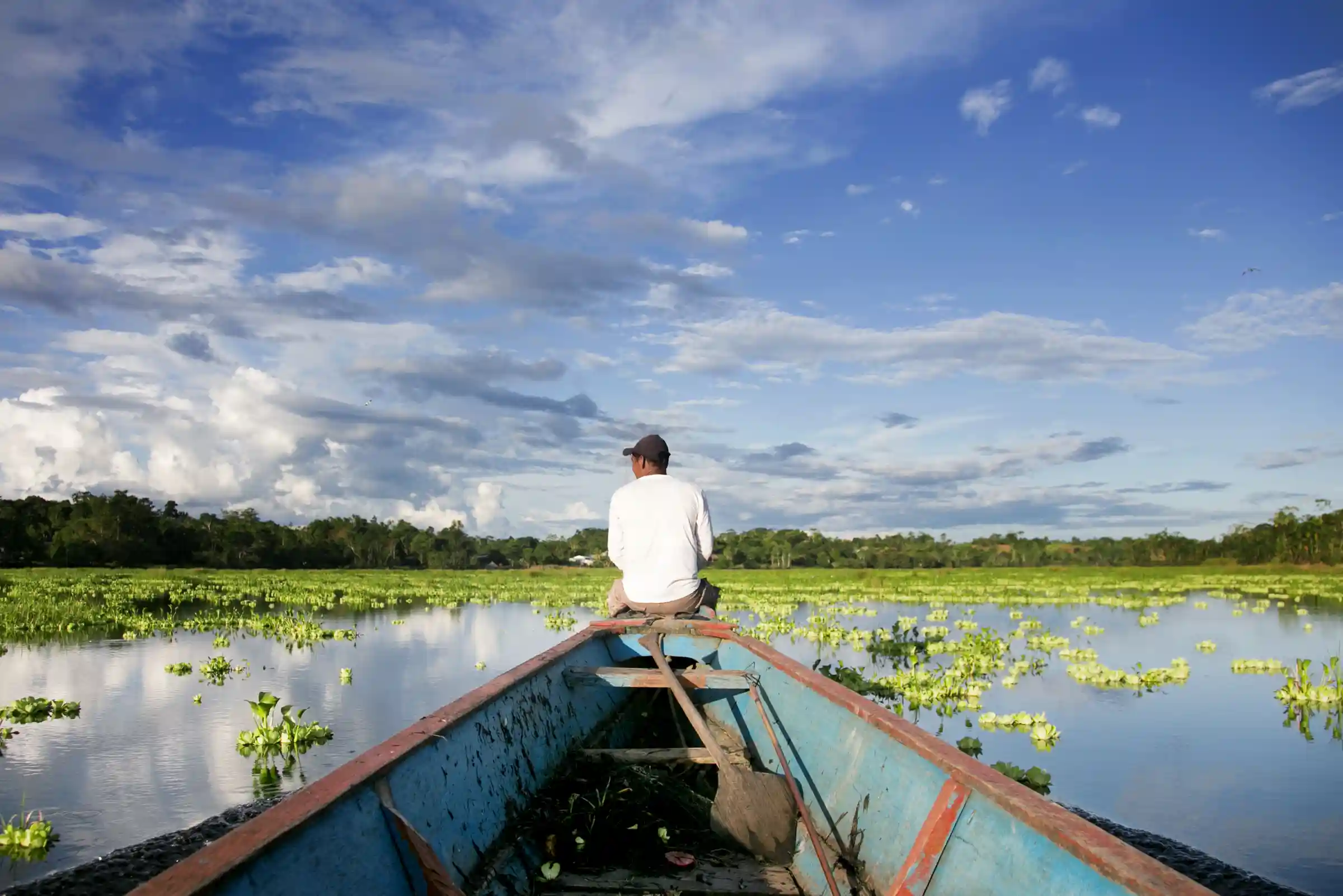
Breakfast is served before leaving the base sector.
Breakfast at Camp
Breakfast is included.
Afterward, the group prepares the equipment required for the first tent-camping night.
Transfer Toward Chambira Camp
We travel toward Chambira Camp, located farther inside the forest.
Upon arrival, tents are organized and the guide conducts a brief camp orientation.
The briefing may include:
- Tent area
- Safe walking boundaries
- Equipment organization
- Food storage
- Nighttime procedures
- Group movement
Lunch
Lunch is included.
The exact sequence between camp setup and lunch depends on the operating schedule.
Yanayacu River Navigation
We board a small peque-peque boat and begin navigating the Yanayacu River.
The smaller boat allows movement through narrower waterways where vegetation is closer to the water.
The guide watches for wildlife during the journey.
Possible sightings may include:
- Monkeys
- Birds
- Reptiles
- Other forest animals
Artisanal Piranha Fishing
The program includes artisanal fishing for piranhas or other fish species.
The guide demonstrates methods used by people living in the Amazon for subsistence fishing.
Instructions may cover:
- Preparing the line
- Using bait
- Handling hooks
- Selecting a fishing position
- Handling fish safely
When permitted by the operating program, fish caught may be prepared for tasting.
Catching a particular fish species cannot be guaranteed.
Monkey Observation
As we continue through the forest and waterways, the guide watches for monkeys moving through the trees.
Possible sightings depend entirely on animal activity.
Travelers should keep voices low when monkeys are located.
Pucate River Night Navigation
After dark, we board a canoe and navigate the Pucate River.
The guide looks for caimans along the water’s edge.
The activity may also include:
- Fireflies
- Frogs
- Nocturnal birds
- Insects
- Other animals active at night
Caiman sightings cannot be guaranteed.
Dinner
Dinner is included at Chambira Camp.
Overnight at Chambira Camp
The third night is spent in tents inside the forest.
Travelers should remain within the designated camp area unless accompanied by the guide.
Day highlight: Traveling deeper into the Yanayacu–Pucate sector before spending the first tent-camping night at Chambira.
Technical Details
- Accommodation: Tent camp
- Main waterways: Yanayacu and Pucate
- Transport: Peque-peque boat and canoe
- Walking: Short forest sections
- Difficulty: Moderate
- Climate: Hot and humid
- Meals: Breakfast, lunch and dinner
- Main activities: Fishing, monkey observation and night canoeing
- Night conditions: Basic forest camping
Iricachua Camp – Forest Plants – Giant Lupuna – Primary-Forest Night Walk


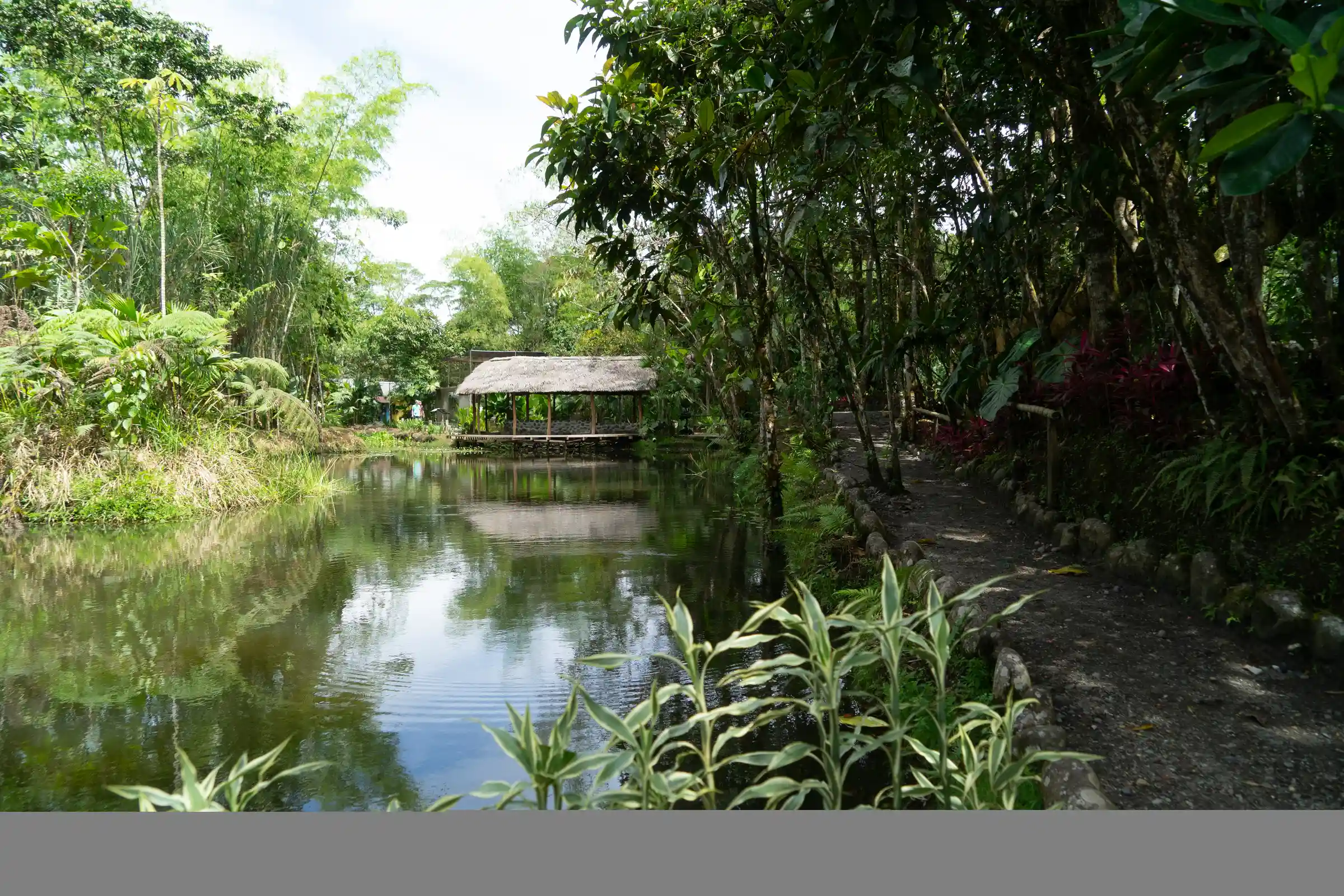
Day 4 continues deeper into the reserve.
Breakfast at Chambira Camp
Breakfast is served before the camp is packed and the group prepares to move toward the next forest sector.
Transfer Toward Iricachua Camp
We travel toward Iricachua Camp.
On arrival, tents are arranged for the second camping night.
The guide provides another short safety orientation covering the camp perimeter and expected nighttime procedures.
Lunch
Lunch is included.
Afternoon Forest Activity
During the afternoon, the group moves through another protected forest sector.
The guide introduces medicinal and ornamental plants found along the route.
Topics may include:
- Traditional plant uses
- Fruits
- Tree bark
- Forest vegetation
- Plants used locally
- Forest structure
Traditional Plant and Food Knowledge
The itinerary mentions tasting some fruits or bark used locally as alternative remedies.
Any tasting activity should take place only under the guide’s direction.
Traditional uses should be understood as local practices and not as proven medical treatments.
Travelers with allergies, pregnancy, medication interactions or health concerns should avoid consuming unfamiliar plant products unless they have appropriate professional advice.
Wildlife Observation
As the group moves through this sector, the guide continues looking for:
- Birds
- Monkeys
- Reptiles
- Insects
- Other forest animals
Sightings cannot be guaranteed.
Giant Lupuna Tree
The walk continues toward a large Lupuna / kapok tree.
The source program includes a symbolic activity around the tree.
Travelers may:
- Stand near the trunk
- Take photographs
- Make a wish
- Take part in the symbolic activity explained by the guide
The source also mentions using some of the large vines descending around the tree.
Travelers should only use vines when the guide confirms that this is appropriate and safe.
Night Walk in Primary Forest
After dark, the program includes a walk through primary forest.
This activity is accompanied by:
- The main guide
- A local guide
The group moves slowly while looking for nocturnal wildlife.
Possible sightings may include:
- Frogs
- Spiders
- Insects
- Snakes
- Night birds
- Other animals active after dark
Participants should remain between the guides and follow all instructions.
Dinner
Dinner is included as part of the camping stay.
Overnight at Iricachua Camp
The fourth night is spent in tents at Iricachua Camp.
Day highlight: Walking deeper into the forest toward a giant Lupuna before joining a nighttime excursion through primary forest with two guides.
Technical Details
- Accommodation: Tent camp
- Main area: Iricachua sector
- Transport: River and forest transfers according to operations
- Walking: Moderate forest sections
- Difficulty: Moderate
- Terrain: Roots, wet leaves, mud and uneven forest ground
- Meals: Breakfast, lunch and dinner
- Main activities: Plant interpretation, giant Lupuna and night forest walk
- Guiding at night: Main guide plus local guide
Iricachua – Buenos Aires Base Camp – Nauta – Iquitos
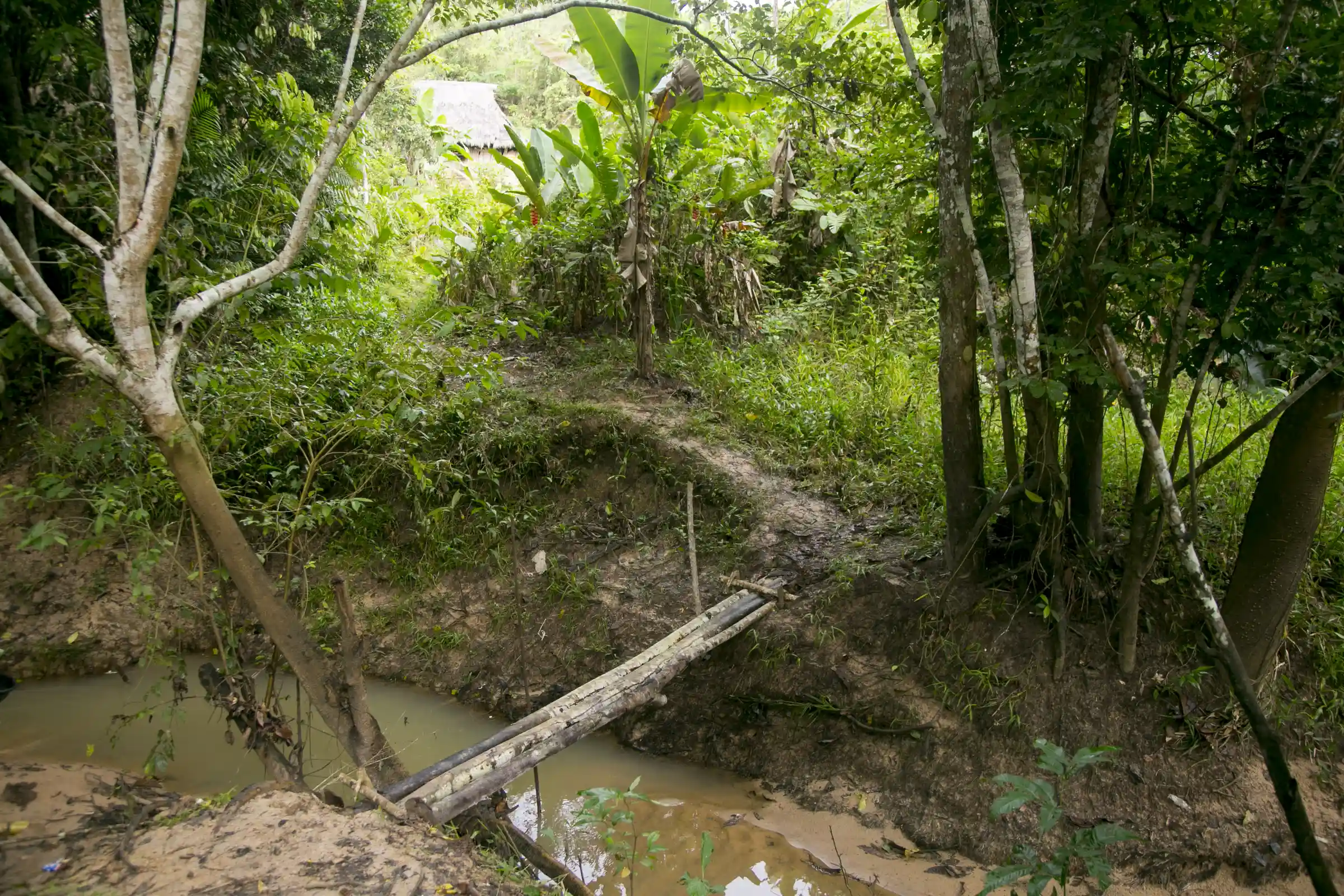
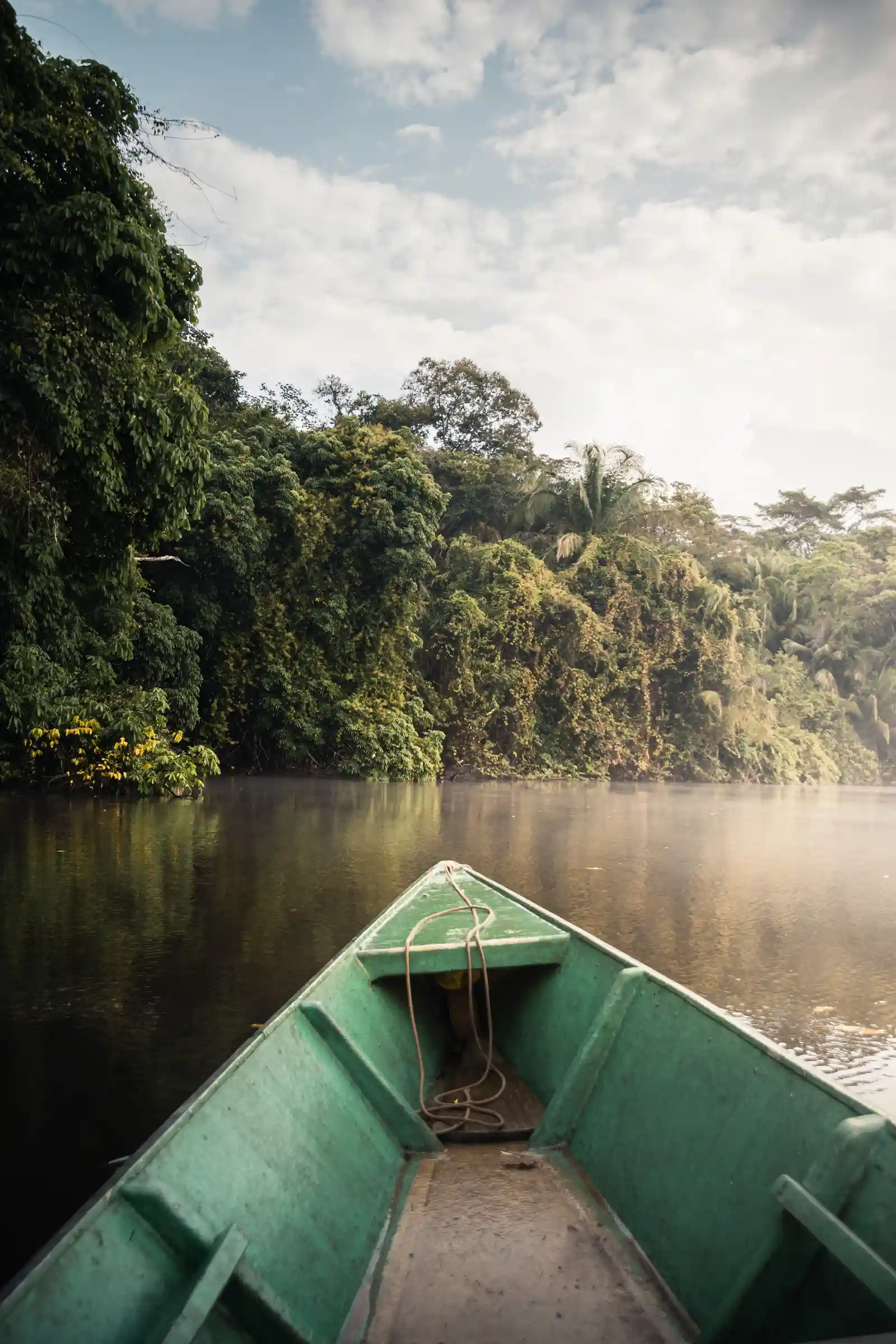
The final morning begins at camp.
Breakfast
Breakfast is served before packing the camping equipment.
This is the fourth included breakfast.
Return to Buenos Aires Base Camp
We begin the return journey toward the Buenos Aires community/base sector.
River travel remains another opportunity to look for birds, dolphins or other wildlife when conditions permit.
Handicraft Fair
At the Buenos Aires sector, the itinerary includes a brief handicraft fair.
Travelers may see locally made products and purchase them directly if interested.
Purchases are not included in the package price.
Lunch
Lunch is served before leaving the reserve.
This is the fifth included lunch.
Return to Nauta
At the appropriate operating time, we board the boat and begin the return journey toward Nauta.
The guide continues watching the river and forest during navigation.
Nauta – Iquitos
After reaching Nauta, the route continues overland toward Iquitos.
The scheduled service ends in the city center or at your hotel according to the operating arrangement.
Day highlight: Leaving the deeper camping sectors and following the river back toward Nauta after four nights inside Pacaya Samiria.
Technical Details
- Meals: Breakfast and lunch
- Dinner: Not included
- Transport: Motorized boat and ground vehicle
- Difficulty: Easy
- Main activity: Return journey and handicraft stop
- Final destination: Iquitos or your hotel
Pricing List
Private Service Prices
A private departure works particularly well for this route because it includes two different tent camps and several nights far from the city.
A smaller group also makes wildlife observation, canoe coordination and camp organization easier.
Suggested Private Rates
| Travelers | Suggested Price per Person |
|---|---|
| 2 travelers | US$ 980 |
| 3 travelers | US$ 810 |
| 4 travelers | US$ 700 |
| 5 travelers | US$ 635 |
| 6 travelers | US$ 590 |
Private Service Advantages
- Private guide for your party
- Private ground-transfer coordination
- Walking pace adapted to your group
- More personalized wildlife interpretation
- Easier canoe organization
- More time for photography when conditions permit
- Better coordination for birdwatchers
- More individual assistance during fishing
- More personalized camp organization
- Easier coordination during the Iricachua night walk
- More direct communication during botanical activities
- Easier dietary coordination
- No need to match the pace of unrelated passengers
Reserve regulations, river conditions and camp procedures still apply.
Group Service Price
Suggested Group Rate
US$ 545 per person
Group Service Characteristics
- Recommended group size: 4–10 travelers
- Shared English- or Spanish-speaking guide
- Shared ground transportation
- Shared motorized boat
- Shared canoe activities
- Shared base accommodation
- Shared Chambira Camp
- Shared Iricachua Camp
- Fixed activity schedule
- Shared meal times
- Group walking pace
- Travelers may come from different countries
- Wildlife stops are coordinated for everyone
- Photography time must work for the whole group
- Camp rules apply equally to all passengers
Suggested Optional Services
| Additional Service | Suggested Price |
|---|---|
| Private cabin arrangement when available | Quote before booking |
| Individual tent at Chambira and Iricachua | From US$ 50 |
| Personal binocular rental | US$ 25 |
| Bird-focused private guide | Quote before booking |
| Additional photography support | Quote before booking |
| Special dietary preparation | From US$ 25 per person |
Optional services require advance confirmation and depend on reserve logistics.
Recommendations
Recommendations
Several Weeks Before Travel
- Confirm your arrival details with WildForest Peru.
- Inform the reservations team about dietary requirements.
- Tell us about medical or mobility limitations.
- Bring enough prescription medication for five days.
- Use your walking shoes before travel.
- Prepare mentally for two nights of basic forest camping.
- Pack lightweight, quick-drying clothing.
- Charge cameras, phones and power banks.
- Prepare waterproof protection for electronics.
Before the Camping Section
- Keep essential items in a smaller waterproof bag.
- Place spare clothes in sealed bags.
- Carry a headlamp and spare batteries.
- Keep medication easily accessible.
- Follow instructions regarding food storage.
- Remain within designated camp boundaries after dark.
- Do not leave food outside tents or assigned storage areas.
During River Navigation
- Wear your life jacket whenever instructed.
- Follow boat-crew directions.
- Remain seated when required.
- Protect phones and cameras from water.
- Avoid standing while the boat is moving.
- Keep hands inside the boat when instructed.
During Wildlife Observation
- Keep voices low.
- Never feed free-ranging wildlife.
- Do not chase animals.
- Do not approach dolphins.
- Never attempt to touch caimans.
- Maintain the distance established by the guide.
During Forest Walks
- Stay with the guide.
- Walk carefully over roots and muddy ground.
- Use insect repellent.
- Drink water regularly.
- Avoid touching unfamiliar plants or animals.
- Remain on established routes.
- Carry all rubbish out of the forest.
During Fishing
- Follow instructions regarding hooks and bait.
- Keep hooks away from other passengers.
- Handle fish only with guidance.
- Keep children under close supervision.
- Follow the guide’s directions concerning any fish retained for food.
During Night Canoeing
- Remain seated when instructed.
- Keep hands inside the canoe.
- Keep voices low.
- Secure phones and cameras.
- Follow instructions regarding flashlights.
- Do not attempt to approach caimans.
During the Primary-Forest Night Walk
- Stay between the guides.
- Carry a working headlamp.
- Keep hands away from vegetation unless instructed.
- Wear closed footwear.
- Walk slowly.
- Notify the guide immediately if you feel unwell or need to stop.
Included
Inclusions
- Pickup from Iquitos airport or hotel
- Ground transfer from Iquitos toward Nauta
- Return ground transfer from Nauta to Iquitos
- Motorized river transportation
- Marañón River navigation
- Yanayacu River navigation
- Pucate River canoe activity
- Entrance procedures for Pacaya Samiria according to the operating program
- Entrance to the circuits described in the itinerary
- Reserve-control procedures
- Pink and gray dolphin observation activity
- Wildlife-search activities
- Guided night walk on Day 1
- Sunrise birdwatching
- Botanical walk
- Amazon stories and legends
- Yanayacu navigation by peque-peque
- Artisanal piranha-fishing activity
- Monkey observation activity
- Pucate night canoe activity
- Caiman-search activity
- Forest plant interpretation on Day 4
- Giant Lupuna activity
- Primary-forest night walk with main and local guide
- Handicraft-fair stop
- 2 nights in reserve cabin/base accommodation according to the selected arrangement
- 1 night at Chambira Camp
- 1 night at Iricachua Camp
- 4 breakfasts
- 5 lunches
- 4 dinners
- English- or Spanish-speaking guide
- Optional rubber boots for rain and muddy trails
Not Included
Not Included
- Air tickets
- Airport taxes
- Additional meals not described in the itinerary
- Bar drinks
- Alcoholic beverages
- Handicraft purchases
- Tips for guides, drivers, boat crews and camp staff
- Laundry
- Travel insurance
- Personal medical expenses
- Personal binoculars
- Personal photography equipment
- Services not specifically listed as included
- Expenses resulting from traveler-requested changes
What to Bring
What to Bring
Clothing
- Lightweight long-sleeve shirts
- Lightweight trousers
- Quick-drying T-shirts
- Underwear for five days
- Walking socks
- Comfortable closed walking shoes
- Rain jacket or poncho
- Hat or cap
- Sleepwear
- Spare clothing
Camping and Personal Equipment
- Small backpack
- Reusable water bottle
- Headlamp
- Spare batteries
- Power bank
- Sunscreen
- Insect repellent
- Sunglasses
- Small towel
- Personal toiletries
- Hand sanitizer
- Personal medication
- Waterproof dry bag
- Zip bags for electronics
Wildlife and Photography
- Binoculars
- Camera
- Telephoto lens
- Spare camera batteries
- Additional memory cards
- Lens-cleaning cloth
- Waterproof camera protection
- Secure camera strap
Documents and Money
- Passport or identification
- Flight information
- Travel insurance details
- Emergency contact information
- Cash in Peruvian soles
- Relevant medical information
Special Requirements
Contact WildForest Peru before booking if you require:
- Walking assistance
- Mobility equipment
- Medical equipment
- Specialized camping equipment
- Professional filming equipment
- Large photography equipment
- Special dietary arrangements
- Other assistance affecting reserve or camp logistics
Travel Guide
Travel Restrictions and Important Conditions
Reserve Access
Entry to Pacaya Samiria is subject to the corresponding reserve procedures.
Travelers must:
- Follow reserve regulations
- Remain in authorized areas
- Follow guide and ranger instructions
- Avoid removing plants or animals
- Keep camp areas clean
- Respect restrictions established for protected sectors
Weather
Rain can affect:
- River navigation
- Forest trails
- Wildlife activity
- Swimming
- Fishing
- Canoe routes
- Night walks
- Camping conditions
- Return times
The operating team may change the order of activities when conditions require it.
River Conditions
Water level and current vary throughout the year.
These conditions may affect:
- Marañón navigation
- Yanayacu access
- Pucate canoeing
- Swimming
- Fishing areas
- Landing points
The guide and boat crew make the final decision regarding safe operation.
Dolphin Sightings
Pink and gray dolphins move freely.
Sightings cannot be guaranteed.
Travelers should never:
- Swim toward them
- Touch them
- Feed them
- Chase them with a boat
Marañón River Swimming
The original program includes river swimming.
This activity only operates when the guide and boat crew consider the selected sector suitable.
The presence of dolphins nearby does not mean travelers should approach them.
Wildlife
Possible animals mentioned in the itinerary include:
- Dolphins
- Macaws
- Oropendolas
- Kingfishers
- Monkeys
- Caimans
- Frogs
- Snakes
- Other forest wildlife
No particular species can be guaranteed.
Medicinal Plant Information
Information about medicinal plants, fruits and bark reflects local and traditional knowledge.
It should not be treated as professional medical advice.
Travelers should not consume unfamiliar plant material unless it is part of the scheduled program, the guide has identified it and the traveler has no known health contraindication.
Artisanal Fishing
Catching piranhas or another specific fish species cannot be guaranteed.
Fishing may change because of:
- Water level
- Current
- Weather
- Fish activity
- Local operating rules
Caiman Observation
Caiman sightings are not guaranteed.
Passengers should remain seated when instructed and must never attempt to touch or approach the animals.
Lupuna Activity
The wish-making activity around the Lupuna is symbolic and linked to local beliefs.
References to energy or healing should be understood within that belief framework and not as scientifically established medical effects.
Vine Activity
The original program mentions swinging from vines near the Lupuna.
This should only take place when the guide has inspected the area and confirms that participation is safe.
Travelers should not use vines independently.
Chambira and Iricachua Camping
The final two nights use tent camps inside the forest.
Travelers should expect:
- High humidity
- Insects
- Forest sounds throughout the night
- Basic facilities
- Limited services compared with a lodge
- Greater exposure to weather conditions
Camp procedures established by the guide must be followed.
Physical Condition
This route is more demanding than a lodge-only program because it includes five days of river and forest travel plus two consecutive camping nights.
Travelers should be comfortable with:
- Long boat journeys
- Hot and humid weather
- Mud
- Uneven forest trails
- Canoe navigation
- Night activities
- Basic camping
- Repeated transfers between boats and riverbanks
Older travelers and passengers with relevant cardiovascular, respiratory, spinal, joint or mobility concerns should discuss the program with their physician before booking.
Lost or Damaged Personal Items
River travel, rain, humidity and camping can damage belongings.
Protect:
- Phones
- Cameras
- Passports
- Money
- Electronic equipment
Travelers remain responsible for their personal belongings throughout the program.
How to Book
HOW TO BOOK YOUR AMAZON RAINFOREST EXPEDITION WITH WILDFOREST PERU:
- Select Your Destination & Tour: Choose from our specialized expeditions in Manu Cultural Zone, Manu Reserved Zone, Tambopata National Reserve, Birdwatching, or Wildlife Photography tours.
- Contact Our Naturalist Planners: Click “Inquire / Book Now” or reach out directly via WhatsApp (+51 924 705 589) to confirm date availability and permit allocations.
- Provide Participant Details: Send full legal names, passport numbers, nationalities, and any special dietary requirements (vegetarian, vegan, gluten-free) or medical notes.
- Submit Deposit to Secure Permits: Make a secure online deposit using PayPal or major credit cards. Because SERNANP permits and exclusive eco-lodge spaces in Manu and Tambopata are limited, early deposits guarantee your departure.
- Receive Instant Confirmation Voucher: Our reservations desk will issue your official booking voucher with a complete packing list, meeting points, and pre-departure naturalist briefing details.
- Final Balance: The remaining balance can be settled online prior to departure or in Cusco / Puerto Maldonado at our operations office.
Inquire Now
Thank you for your interest in having an adventure travel experience in Peru. Please take a moment to complete our form so that our travel specialists can prepare the best trip for you..
Inquiry Received Successfully!
Thank you for contacting us! Our Andean adventure travel specialists will review your details and send you a customized proposal within 24 hours.
Pacaya Samiria 5 Days / 4 Nights




What Our Trekkers Say
Real reviews from adventurers who walked the Andes with us
Related Tours
Here are some other options that will suit your needs
Pacaya Samiria 4 Days / 3 Nights